



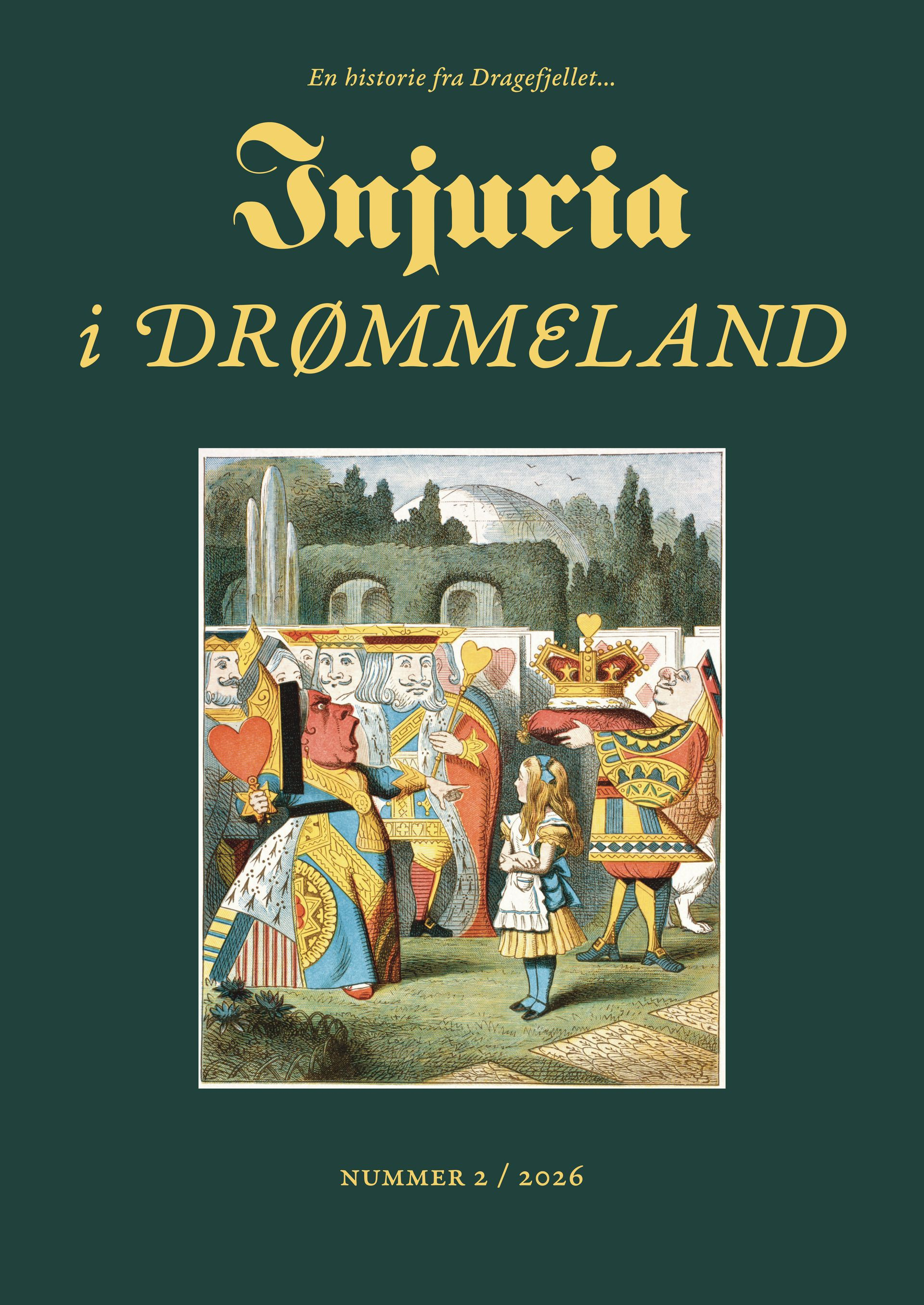
Sosiale medier fungerer i dag som et moderne «eventyrland»; et sted for kreativitet og fellesskap, men også et miljø preget av ekkokamre og manipulerende algoritmer. For mange unge er sosiale medier et sted for læring, informasjon og selvutfoldelse, samtidig som at personvernet og sikkerheten deres ofte er utilstrekkelig ivaretatt. Sosiale medier ble opprinnelig ikke utviklet med barn som målgruppe, men spiller fortsatt en stor rolle i barns liv i dag.1 Europaparlamentet er bekymret over at én av fire unge har telefonbruk som minner om avhengighet. På bakgrunn av dette har Europarlamentet foreslått å innføre en felles aldersgrense på 16 år for tilgang på sosiale medier og AI-tjenester.2 Dette reiser spørsmålet om et forbud mot sosiale medier for barn under 16 år er forenlig med ytringsfriheten, og om det kan forsvares i en norsk kontekst. Ytringsfriheten er en grunnleggende rettighet som beskytter individets mulighet til å uttrykke meninger, motta informasjon og delta i samfunnsdebatten. Både Grunnloven og EMK artikkel 10 beskytter retten til ytringsfrihet og retten til å motta og informasjon, samtidig som den åpner for lovlige begrensninger når det er nødvendig i et demokratisk samfunn. For barn innebærer dette en balanse mellom retten til deltakelse og ytring, og behovet for vern mot skade og utnyttelse. Barn skal ha mulighet til å uttrykke seg, delta i offentlig debatt og få tilgang til informasjon, men dette kan lovlig reguleres for å beskytte deres trygghet, utvikling og personvern på sosiale medier. En vurdering av en eventuell aldersgrense må derfor finne en balanse mellom disse to hensynene. En aldergrense på sosiale medier er særlig begrunnet i at barn står i en sårbar posisjon fordi hjernen deres fortsatt er under utvikling. FNs barnekomité påpeker at hjernens plastisitet er på sitt høyeste i de tidlige leveårene og i ungdomstiden, noe som gjør barn påvirkelige for manipulerende algoritmer, reklame og sosialt press på sosiale medier.3 Når barn blir eldre og hjernen modnes, utvikles evnen til å vurdere konsekvenser og ta mer selvstendige beslutninger. En aldersgrense gir derfor barn tid til å styrke sin dømmekraft og refleksjonsevne, slik at de bedre kan navigere på sosiale medier på en bevisst måte. Sosiale medier er designet nettopp for å holde brukeren engasjert gjennom funksjoner som «infinite scroll», autoplay og push-varsler.4 Nytt innhold lastes kontinuerlig og nye videoer starter automatisk, noe som gjør at strømmen av innhold aldri kommer til en ende. Algoritmestyrte plattformer gjør at barn lettere blir dratt inn i mørke «kaninhull» (rabbit holes), hvor de gradvis blir eksponert for mer ekstremt og skadelig innhold.5 Disse algoritmene er også med på å skape ekkokamre fordi man i hovedsak blir presentert for innhold man tidligere har vist interesse for. Dette kan bidra til polarisering ved at alternative perspektiver blir mindre synlige, og ved at sterke eller ytterliggående budskap forsterkes over tid. Dette peker på kjernen i debatten: Barn har ennå ikke utviklet den kognitive «motstandskraften» som trengs for å stå imot algoritmer som er spesialdesignet for å fange oppmerksomheten deres.6 Samtidig som begrunnelsen for en aldersgrense fremstår tungtveiende, er det ikke gitt at et slik tiltak er uproblematisk. Spørsmålet er om løsningen faktisk er å stenge dørene til dette digitale «eventyrlandet». Et forbud mot sosiale medier for barn under 16 år reiser av den grunn flere prinsipielle og praktiske utfordringer, særlig i lys av barns rett til ytring og deltakelse i det digitale rom. Sosiale medier er ikke bare en underholdningsplattform, men en sentral arena for barns ytringer, informasjonsinnhenting og sosiale liv. I dagens samfunn foregår store deler av den offentlige debatten digitalt, et forbud vil i praksis kunne innebære at barns utestenges fra viktige rom for deltakelse. Et slik tiltak kan derfor argumenteres for at ikke utelukkende vil være beskyttelse, men også en form for ekskludering. Det reiser et grunnleggende spørsmål om hva som skjer med barns mulighet til å bli hørt når de stenges ut av de plattformene der samtalene foregår? FNs barnekomite poengterer at sosiale medier gir barn nye og viktige muligheter til å delta og uttrykke seg i samfunnet, og at de ulike statene må legge til rette for en slik deltagelse.7 En aldersgrense kan også medføre digital utestengelse. For mange barn er sosiale medier en viktig kilde til tilhørighet, særlig for dem som ikke finner fellesskap i fysiske omgivelser. Å stenge disse arenaene kan dermed ramme skjevt, og særlig gå utover sårbare grupper. FNs barnekomite understreker at barn har rett til likeverdig tilgang til det digitale miljøet, og at statene har en plikt til å motvirke digital ekskludering. Dette betyr at man ikke bare skal beskytte barn mot skade, men og sikre at de får delta. Spørsmålet blir derfor hvem som faller utenfor når porten stenges. En annen sentral utfordring er at aldersgrense i praksis kan være lite treffsikker. Erfaring tilsier at aldersgrense på nett er enkle å lure seg rundt, blant annet ved å oppgi gi feil alder. Det kan derfor være et forbud som får begrenset effekt for barna det er ment å beskytte. Samtidig er det en risiko for at barn som utestenges søker seg til mindre regulerte plattformer. Det kan i verste fall øke eksponeringen for skadelig innhold, fremfor å senke den. Ulike forskningsmiljøer har påpekt at forbud ikke nødvendigvis vil være den mest effektive måten å håndtere utfordringene ved sosiale medier på.8 En fastsatt aldersgrense reiser spørsmål om reguleringen er tilstrekkelig nyansert. Barn er ikke en ensartet gruppe, og både modenhet, digital kompetanse og behov vil variere betydelig. FNs barnekomite understreker at barn er i utvikling og at tiltakene av den grunn må tilpasses barnets alder og modenhet. En absolutt aldersgrense kan derfor fremstå som et strengt virkemiddel, som ikke tar høyde for individuelle tilpasninger.9 De ulike utfordringene sender oss mot kjernen i spørsmålet: selv om hensynet til beskyttelse er tungtveiende vil det ikke alltid være gitt at et generelt forbud er et forholdsmessig inngrep i barns rettigheter. Det er ingen tvil om at barn har behov for beskyttelse i sosiale medier og på internett, spesielt mot skadelig innhold og utnyttelse. På samme tid innebærer innføring av aldersgrense et inngrep i barns ytringsfrihet og rett til informasjon, som etter de universale menneskerettighetene krever mer enn gode hensyn.10 Spørsmålet er av den grunn om et generelt forbud som dette er nødvendig og forholdsmessig. Er det slik at barn må stenges ute for å beskyttes? FNs barnekomité understreker at barn har en rett til å søke, motta og formidle informasjon på sosiale medier og at begrensninger må være nødvendig og forholdsmessig. Dette viser at et forbud ikke utelukkende kan begrunnes i risiko, men må konkret vurderes opp mot mindre inngripende tiltak som kan gi tilsvarende beskyttelse.11 Et mulig alternativ er å regulere de ulike plattformene fremfor et forbud for barna. Barnekomiteen fremhever statens ansvar for å sikre at digitale tjenester utformes i tråd med barnas rettigheter, spesifikt gjennom krav til design, personvern og sikkerhet.12 EU-kommisjonens retningslinjer konkretiserer det ved å foreslå private kontoer som standard, regulerte algoritmer og begrensinger av funksjoner som fremmer avhengighet. I tillegg kan barns egen beskyttelse styrkes gjennom bedre rapporteringsverktøy og opplæring av barn og foreldre i digital kompetanse. Tiltak som dette retter seg mot de strukturelle utfordringene ved sosiale medier, og gjør det digitale «eventyrlandet» tryggere uten å nekte barn tilgang. Et generelt forbud fremstår derimot som et vidtrekkende inngrep, som rammer barn uavhengig av modenhet og behov. I tillegg er det uvisst hvor effektivt et slikt tiltak er i praksis. Avveiingen er derfor mellom å beskytte barn fra det digitale rommet eller beskytte dem i det. Ettersom det finnes mindre inngripende og mer målrettede alternativer, vil det være vanskelig å konkludere med et generelt forbud som nødvendig. En aldersgrense på 16 år fremstår på bakgrunn av dette som et strengt og usikkert virkemiddel. Til tross for at hensynet om beskyttelse er tungtveiende, tilsier både rettslige og praktiske hensyn at reguleringen heller bør rettes mot plattformene, fremfor barnas tilgang til dem. For at barn skal ha en reell frihet til å delta, lære og uttrykke seg på sosiale medier, må plattformene de bruker være bedre tilpasset mindreårige. Staten har et ansvar for å motvirke digital ekskludering, men de har også et ansvar for at barn ikke diskrimineres ved å bli overlatt til tjenester som profitterer på deres sårbarhet. Samtidig advarer UNICEF mot at aldersforbud alene ikke løser alle problemer, da barn kan finne omveier til mindre regulerte områder.13 Aldersgrense bør derfor inngå i en helhetlig tilnærming som også innebærer bedre tilpasning av sosiale medier for barn og styrking av foreldres digitale kompetanse. Litteraturliste: Europakommisjonen. (2025). Communication from the Commission: Guidelines on measures to ensure a high level of privacy, safety and security for minors online . Tilgjengelig fra: https://eur-lex.europa.eu/legal-content/EN/TXT/PDF/?uri=OJ:C_202505519 FNs barnekomité. (2021). Generell kommentar nr. 25 om barns rettigheter i det digitale miljøet . CRC/C/GC/25. Tilgjengelig fra: https://www.regjeringen.no/contentassets/1376fac2fe2a427389f9f94b52acdefc/kommentar-nr.-25-barnekonvensjonen.pdf Leibniz Institute for Media Research. (2026, March 16). Why banning social media is not the solution . Tilgjengelig fra: https://leibniz-hbi.de/en/hbi-news/news/why-banning-social-media-is-not-the-solution/ News European Parliament. (2025). Children should be at least 16 to access social media, say MEPs . Tilgjengelig fra: https://www.europarl.europa.eu/news/en/press-room/20251120IPR31496/children-should-be-at-least-16-to-access-social-media-say-meps NOU 2024: 20. (2024). Det digitale (i) livet. Balansert oppvekst i skjermens tid. Kunnskapsdepartementet. Tilgjengelig fra: https://www.regjeringen.no/contentassets/c252947398de4fb0aea9349f011eb410/no/pdfs/nou202420240020000dddpdfs.pdf UN News. (2025). Social media: Age-related bans won't keep kids safe, UNICEF warns . Tilgjengelig fra: https://news.un.org/en/story/2025/12/1166557
Vindusskatt var en eiendomsskatt i England fra 1696 til 1851, Skottland fra 1748 til 1851 og Frankrike mellom 1798 og 1926. Da skatteordningen først ble innført i England, bestod den av en fast avgift per hus på det som tilsvarer 200 norske kroner i dagens penger, og en tilleggsavgift på 410 kroner for hus med flere enn ti vinduer, og 830 kroner for hus med flere enn 20 vinduer. Skattesystemet var basert på en enkel logikk om at antall vinduer og dører på et hus var en indikator på eierens velstand. Vinduer og dører var et egnet mål på kapital, ettersom dette var en tid der rikdom var materiell og vanskelig å gjemme bort, lenge før skatteparadis, skatteplanlegging og offshore-bankkontorer. Vindusskatten ble videre ansett som en mindre inngripende form for beskatning, ettersom skattefunksjonærene ikke måtte trenge seg inn i folks hus for å beregne hva eieren skulle skattlegges, men kunne simpelthen telle antall vinduer og dører fra utsiden. På tross av at vindusskatten bygget på en fornuftig logikk og hensynet til privatliv, hadde ordningen den uheldige utilsiktede virkningen at mange huseiere muret igjen vinduer på eiendommene sine for å slippe å betale. Resultatet var mørke, innestengte og dårlig ventilerte hus og en rekke negative helseeffekter hos beboerne. Dette var én av hovedårsakene til av avgiften ble avskaffet. Vindusskatten har satt varig preg på arkitekturen. Du kan fortsatt se hus med vinduer som er muret igjen i byer som London. Dette er ikke det eneste eksempelet på hvordan beskatning har påvirket arkitekturen. Nederland hadde på 1600-tallet en eiendomsskatt basert på bredden av bygningers fasade. Denne ordningen førte til konstruksjonen av smale, høye og dype hus. En fransk skatteordning er opphav til «mansardtak» som er en form for skråtak som ble popularisert i Frankrike på 1700-tallet. Den franske eiendomsskatten ble på denne tiden beregnet med utgangspunkt i antall etasjer under taket. Utformingen på mansardtaket skapte et loftareal som ikke formelt ble regnet som en etasje. Huseieren fikk ved å utforme taket slik én ekstra etasje og et større leveareal uten å betale eiendomsskatt på dette.
